

Fix Swirls, Haze, and Water Spots
Paint correction is for the owner who’s tired of washing the car just to see the same swirls show up in the sun. If your paint looks hazy, reflections look dull, or water spots have started to etch into the clear coat, correction is how you get that crisp, clean finish back.
At CMG Auto Lab, we start by decontaminating the paint so we’re not polishing over grit. Then we use a multi-stage process to level defects and restore clarity. The goal isn’t “make it shiny for a day.” It’s to bring the paint back to a finish you’re proud of and leave it protected with a sealant so it holds up better after you drive out.
Pricing
Our Paint Correction Package
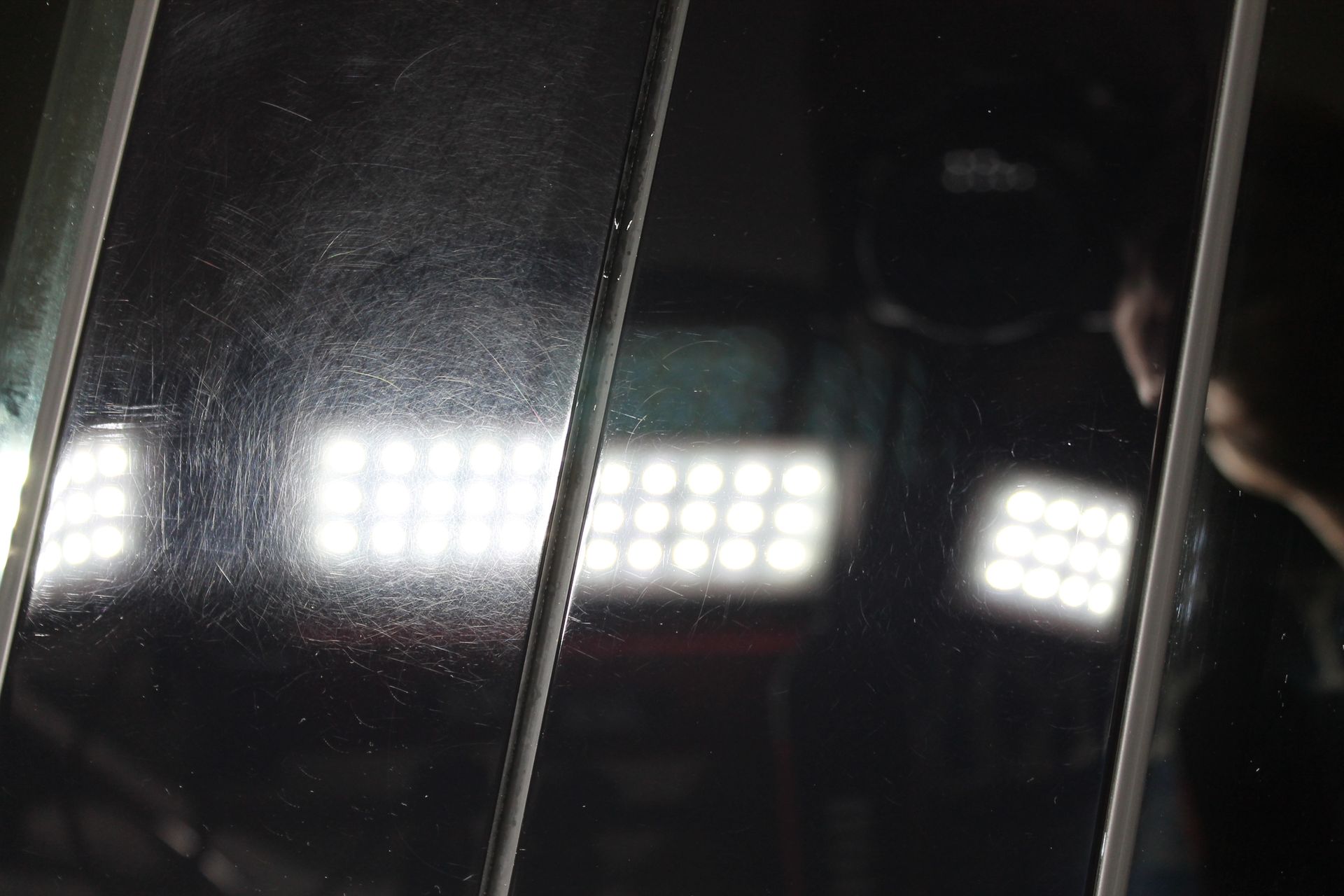
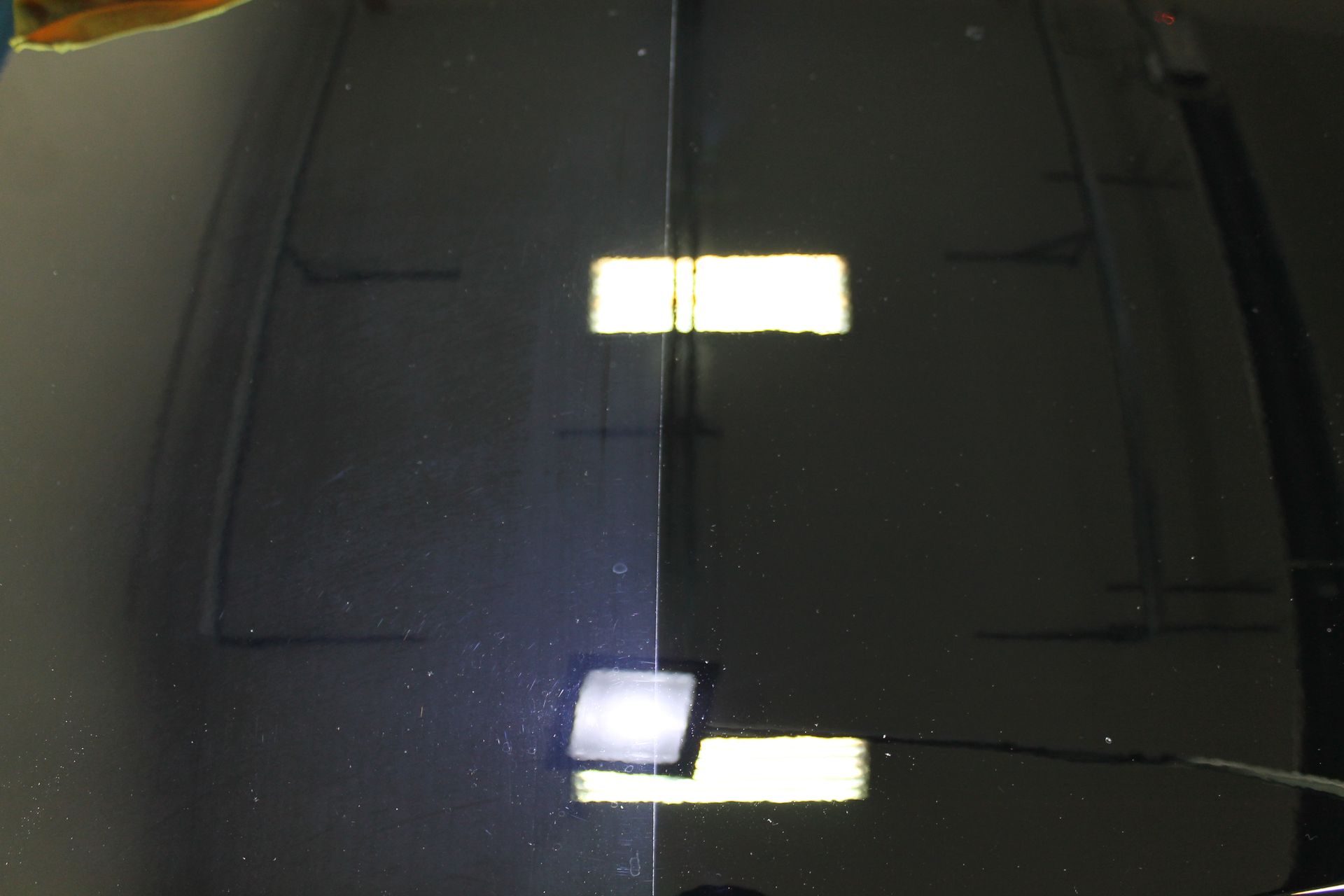
Paint Correction
STARTING AT $500
TURNAROUND: 4-8 hours
THIS PACKAGE INCLUDES:
- Paint decontamination
- 2 step (or stage) compound and polish
- 3 step (or stage) cutting, polishing, and jeweling
- We aim for 75%+ defect removal
- Paint sealant
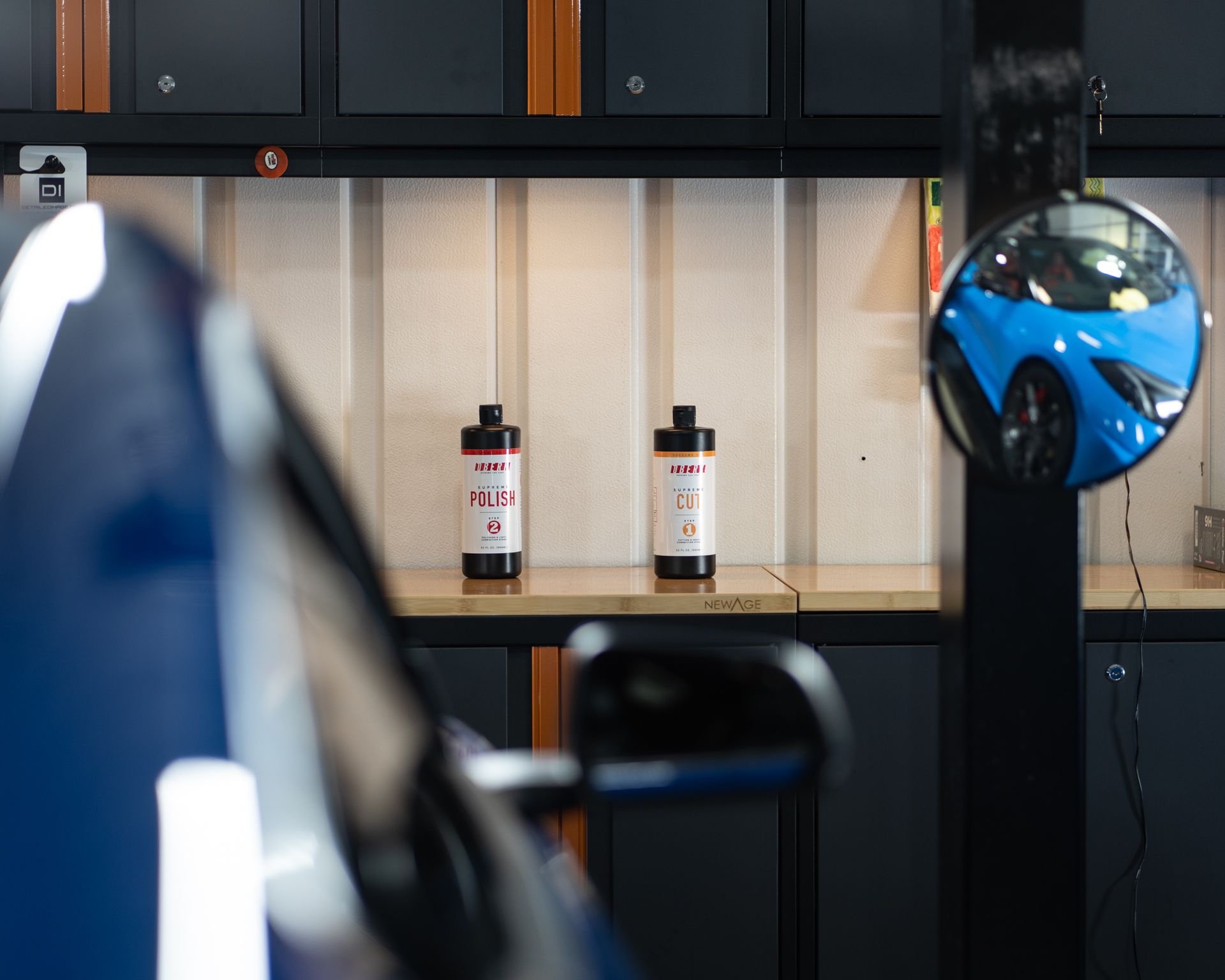
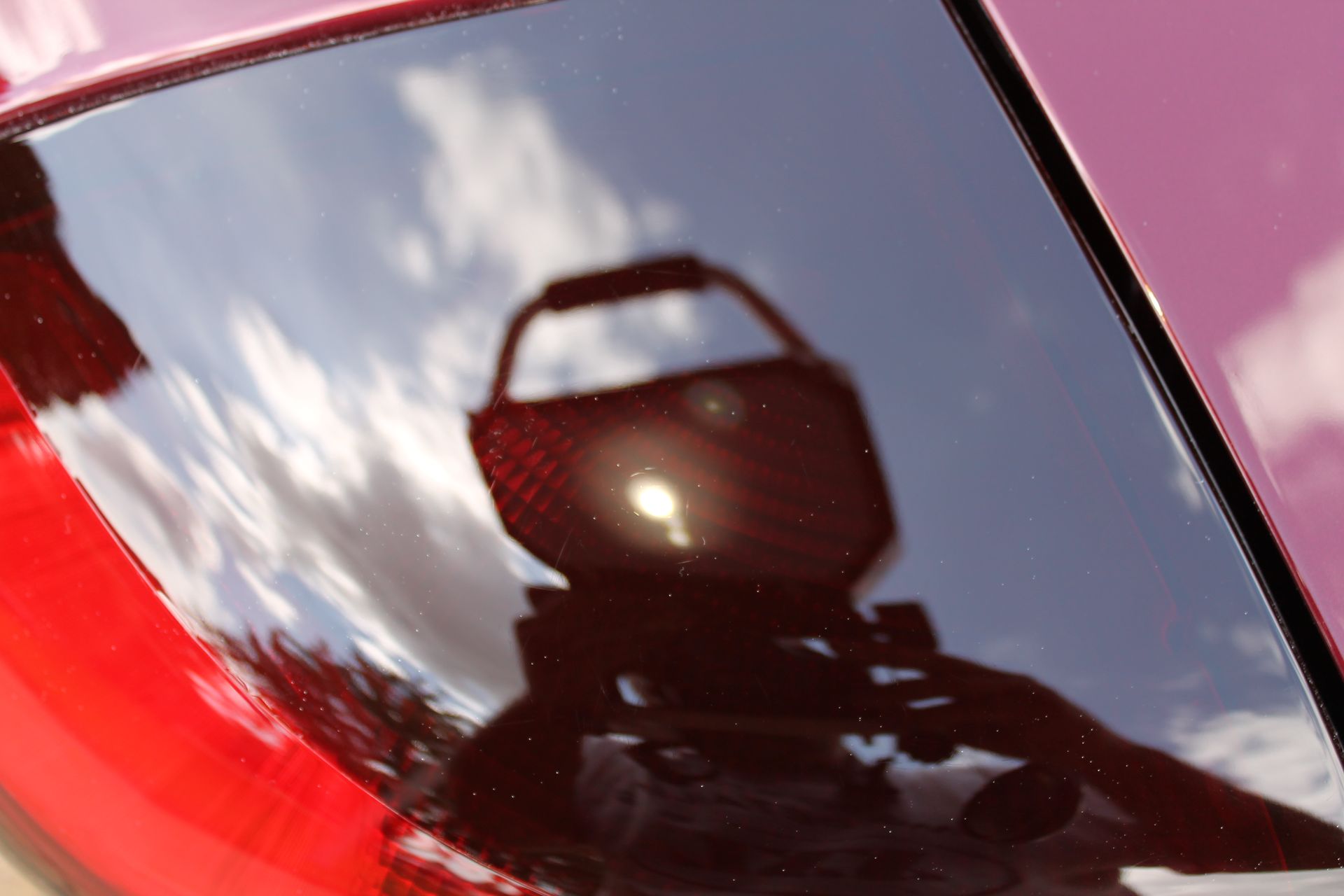
Paint Correction 101: What Is It?
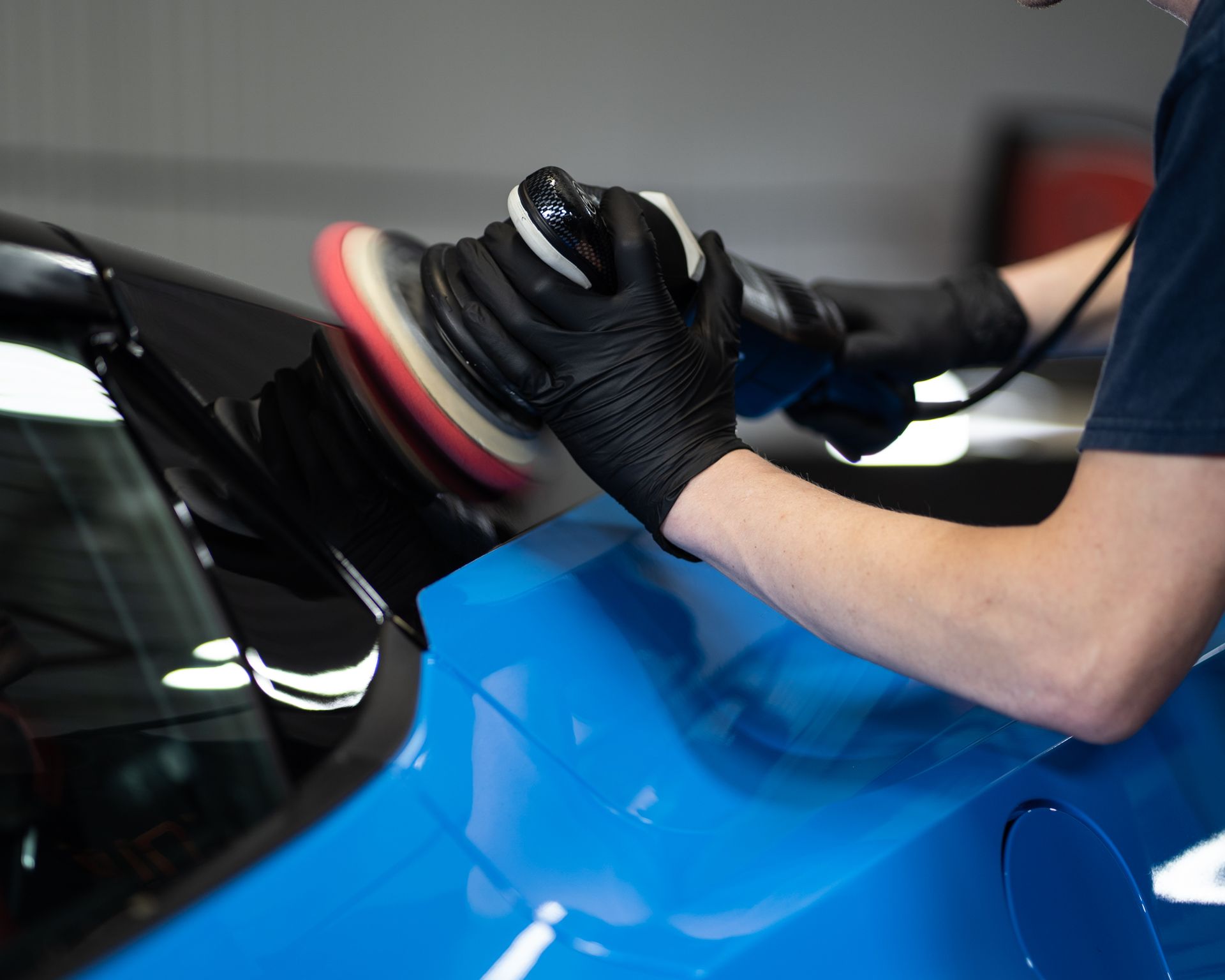
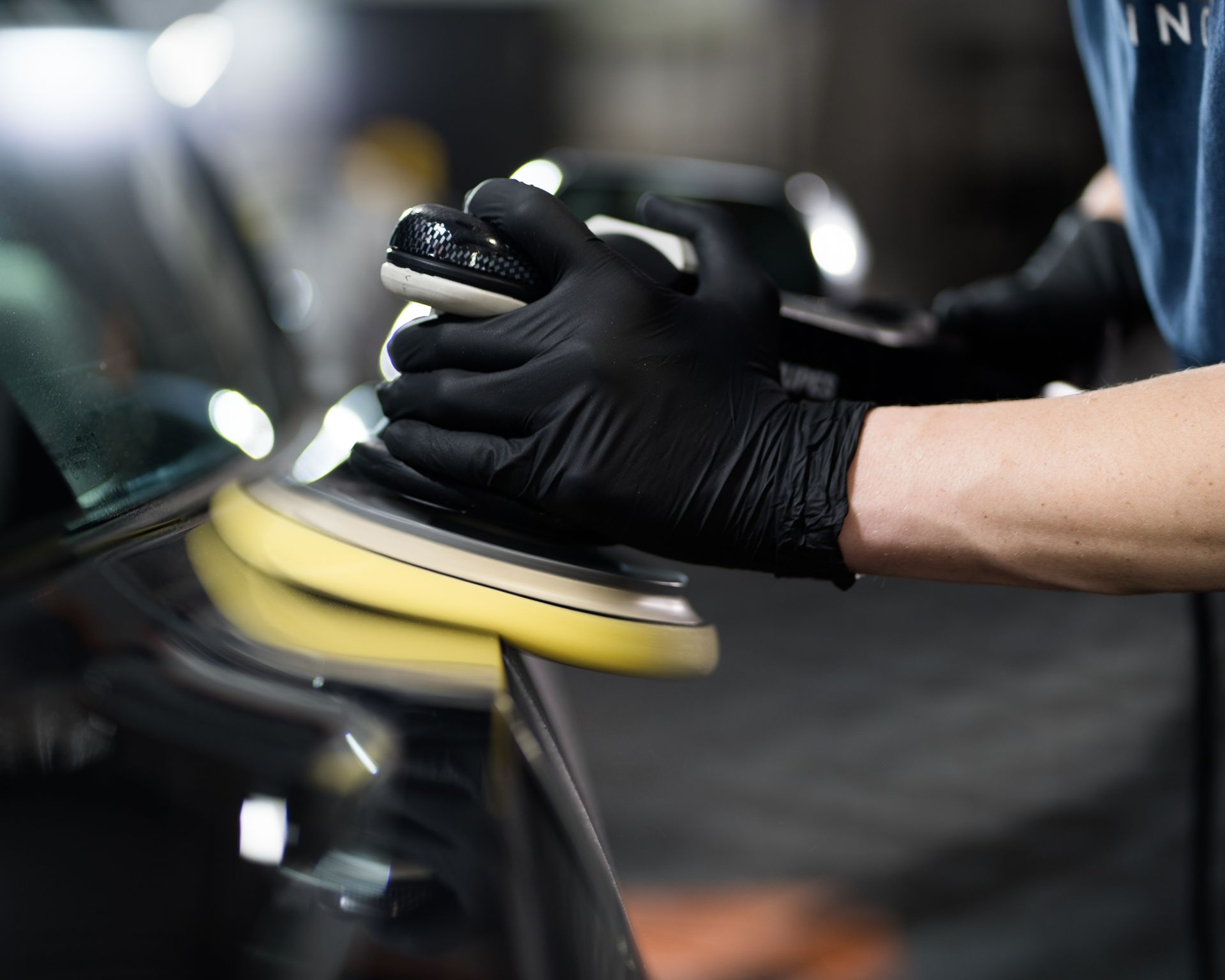
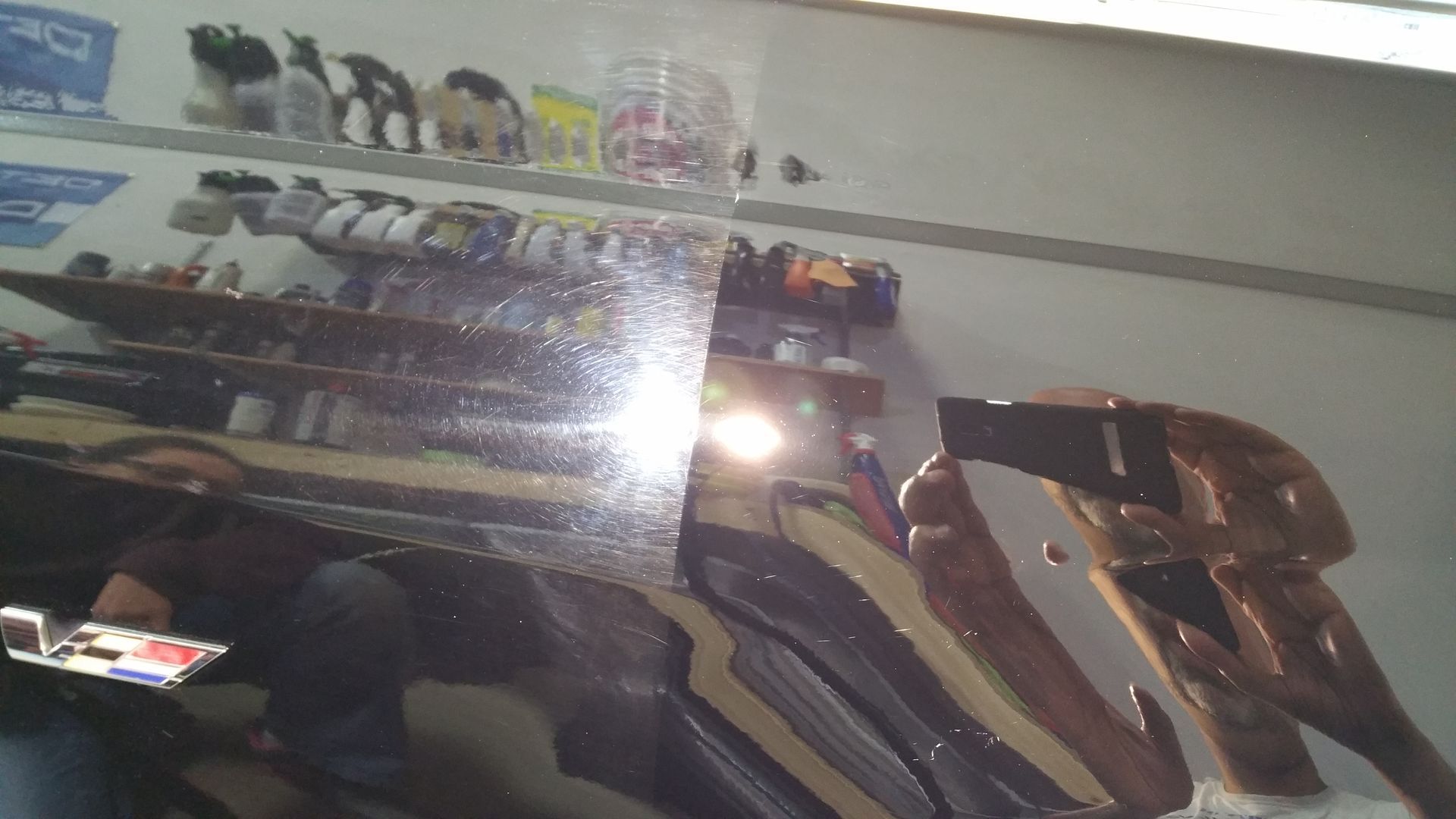
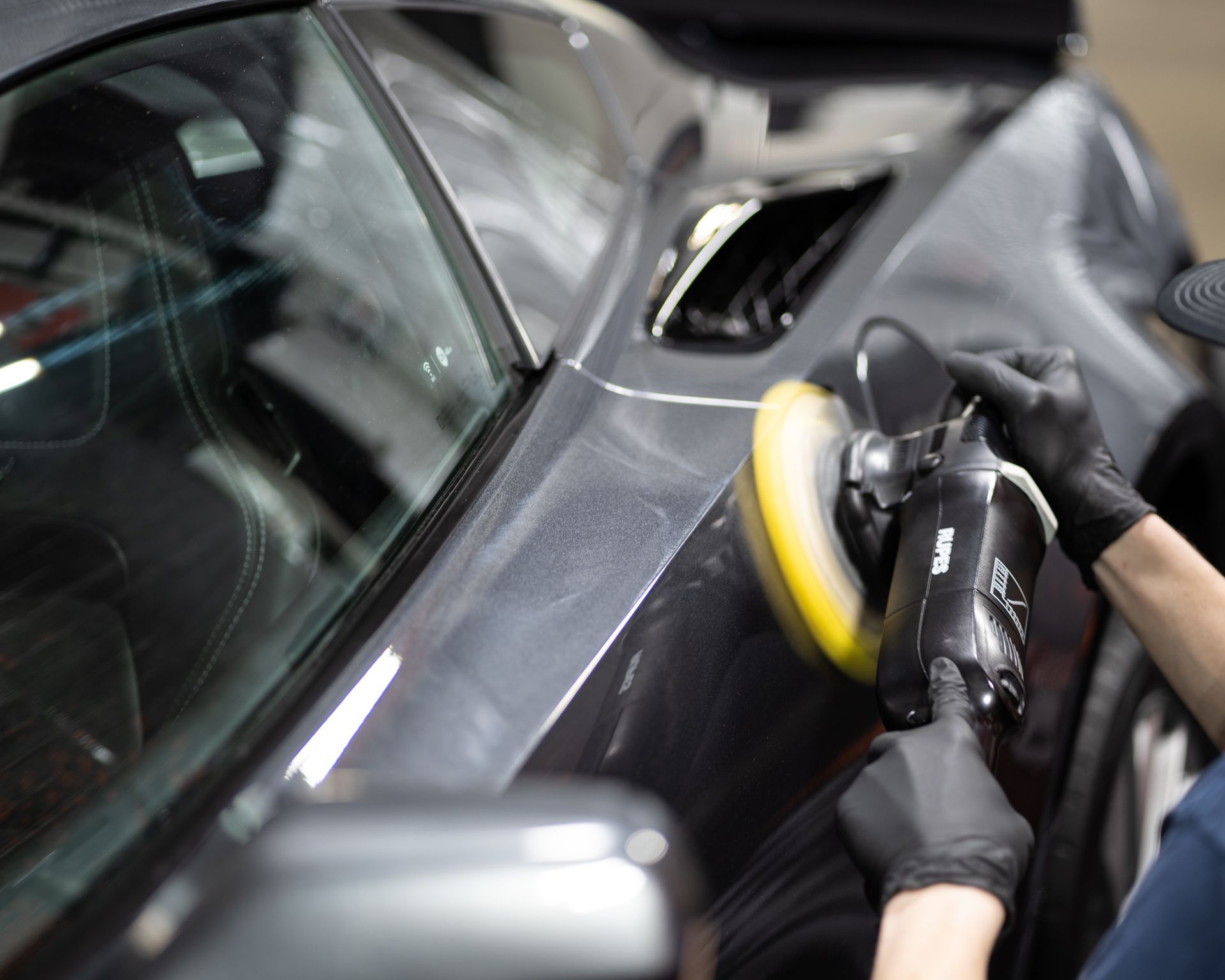
Paint correction is a machine polishing process that removes defects in your clear coat by leveling the surface. That sounds technical, but here’s the simple version: swirls, light scratches, and haze scatter light, which is why paint can look dull even when it’s clean. Polishing smooths out those imperfections so reflections look sharp again.
Correction isn’t a one-size service. Some vehicles only need a two-step compound and polish to clean up the most noticeable defects. Others benefit from a more refined, multi-stage approach that finishes down clearer and glossier.
Your vehicle’s paint type, current condition, and your expectations all factor in. That’s why we’ll talk through that before we start, so you know what kind of improvement is realistic.
Why Correction Pairs Perfectly with Ceramic Coating
Ceramic coating doesn’t “fix” paint defects; it locks in whatever the paint looks like at the time of installation. That’s why paint correction and ceramic coating are such a good combo. Correction restores clarity and removes the swirls and haze that dull the finish. Then, ceramic coating helps that corrected look last longer by adding a durable, easier-to-clean layer on top.
If you want the best end result, this order matters. Correct first, protect second. It’s the difference between coating paint that still looks a little tired versus coating paint that looks crisp, glossy, and dialed in.
Signs You Need Automotive Paint Correction
The Paint Looks Dull Even After a Wash
If you wash the vehicle and it still looks flat, it’s usually not “just the color.” It’s haze and micro-marring in the clear coat that’s keeping reflections from popping.
Swirls Show Up in the Sun or Under Lights
Those circular marks you notice in direct sunlight, parking lots, or garage lighting are classic swirl patterns. They usually come from improper washing, automatic car washes, or past polishing that wasn’t finished correctly.
Water Spots Won’t Come Off
If you’ve tried washing and the spots still remain, they may be etched into the clear coat. That’s a common issue after sprinklers, hard water, or letting water dry on the paint repeatedly.
You’re Protecting the Car Next
Paint correction is often the right move before ceramic coating or PPF. If you’re investing in protection, it makes sense to correct the finish first so you’re sealing in a paint surface that actually looks its best.
Paint Correction FAQ
How long does paint correction take?
We usually complete paint correction in 4–8 hours, depending on your vehicle’s size and how many defects it has. A well-maintained daily driver often falls on the quicker end. Vehicles with heavier swirling, water spot etching, or softer paint that marks easily can take longer.
How much improvement should I expect?
We aim for 75%+ defect removal, but the final result depends on how deep the defects are and how much clear coat we have to work with. Light swirls and haze typically respond really well. Deep scratches that catch a fingernail may not be safe to fully remove, and in those cases we focus on improving the overall finish without over-thinning the clear coat.
Does paint correction fix rock chips or peeling clear coat?
Polishing won’t rebuild missing paint or clear coat. If chips are the main issue, PPF is usually the better solution for the front end. If you have peeling or failing clear coat, you’ll likely need a body shop repair.
How do I maintain the finish afterward?
The biggest thing is washing correctly. Skip automatic brushes, use safe wash methods, and dry with clean towels. If you want the corrected finish to stay glossier and easier to maintain longer, pairing correction with ceramic coating is a smart next step.
How often do I need paint correction?
Most people don’t need it regularly. With good washing habits and protection, you can keep the paint looking sharp for a long time before it ever needs another correction.